AL MAKTOUM FAMILY
OVERVIEW
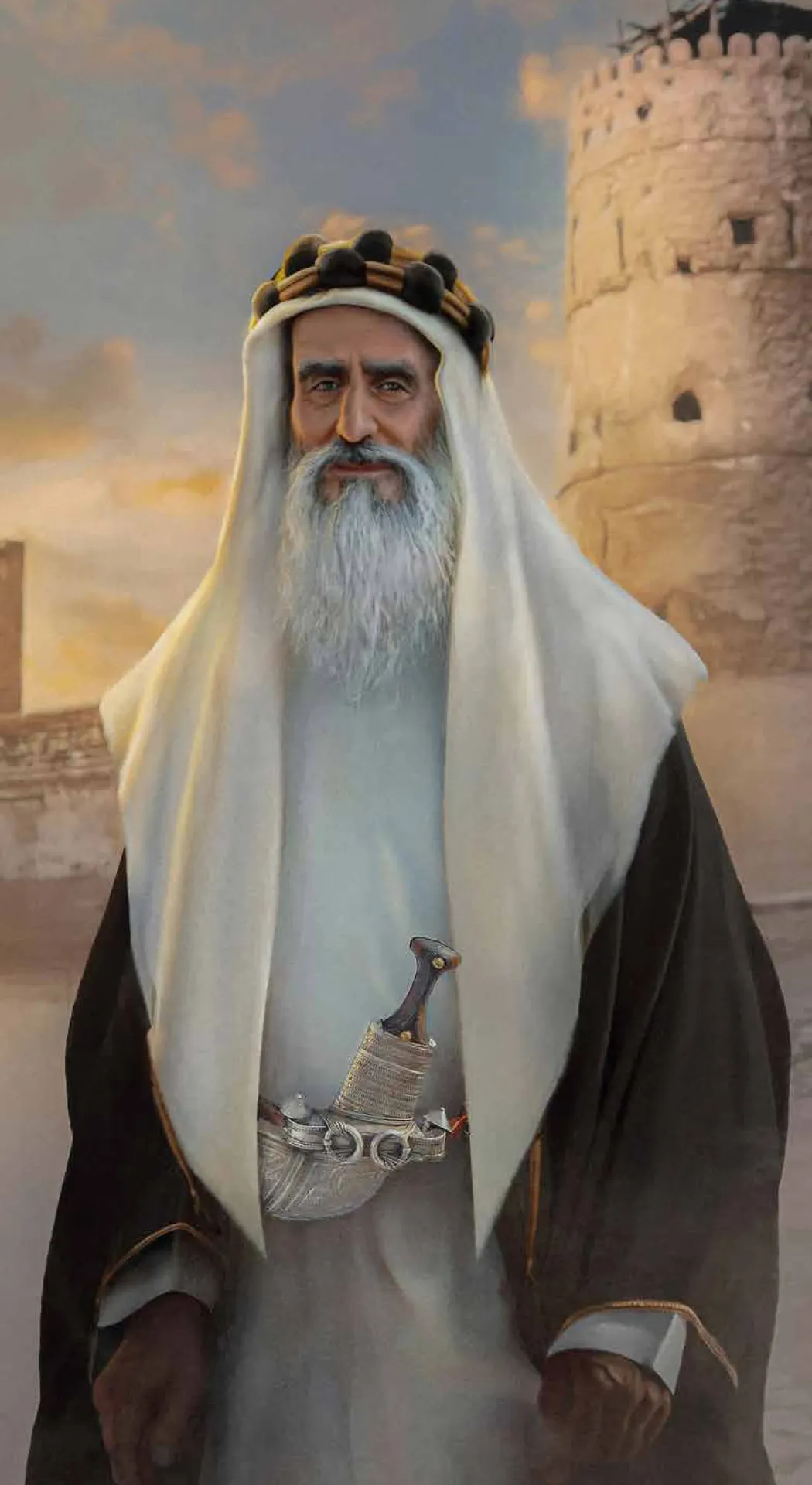
Sheikh Maktoum bin Hasher Al Maktoum
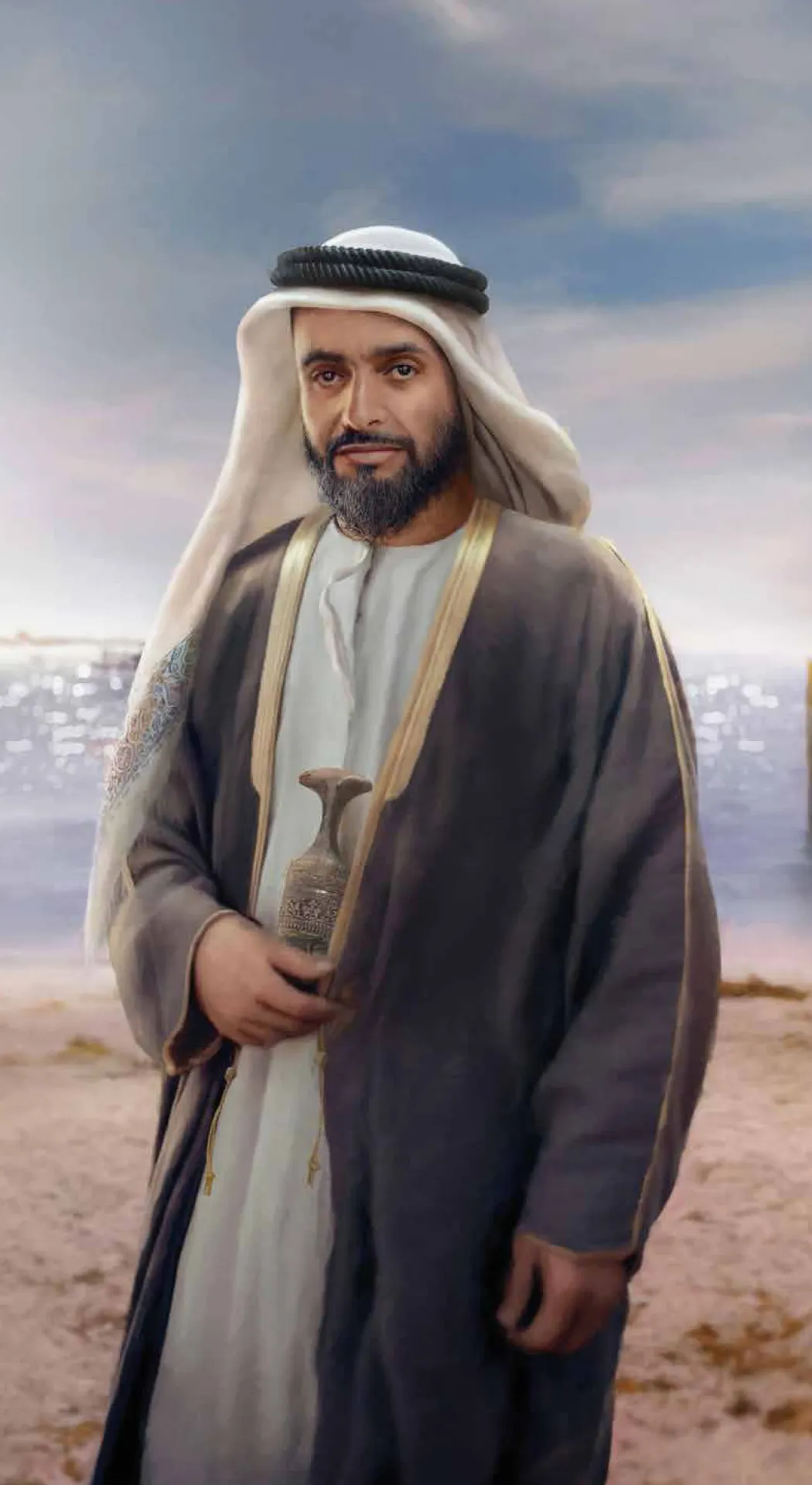
Sheikh Butti bin Suhail Al Maktoum
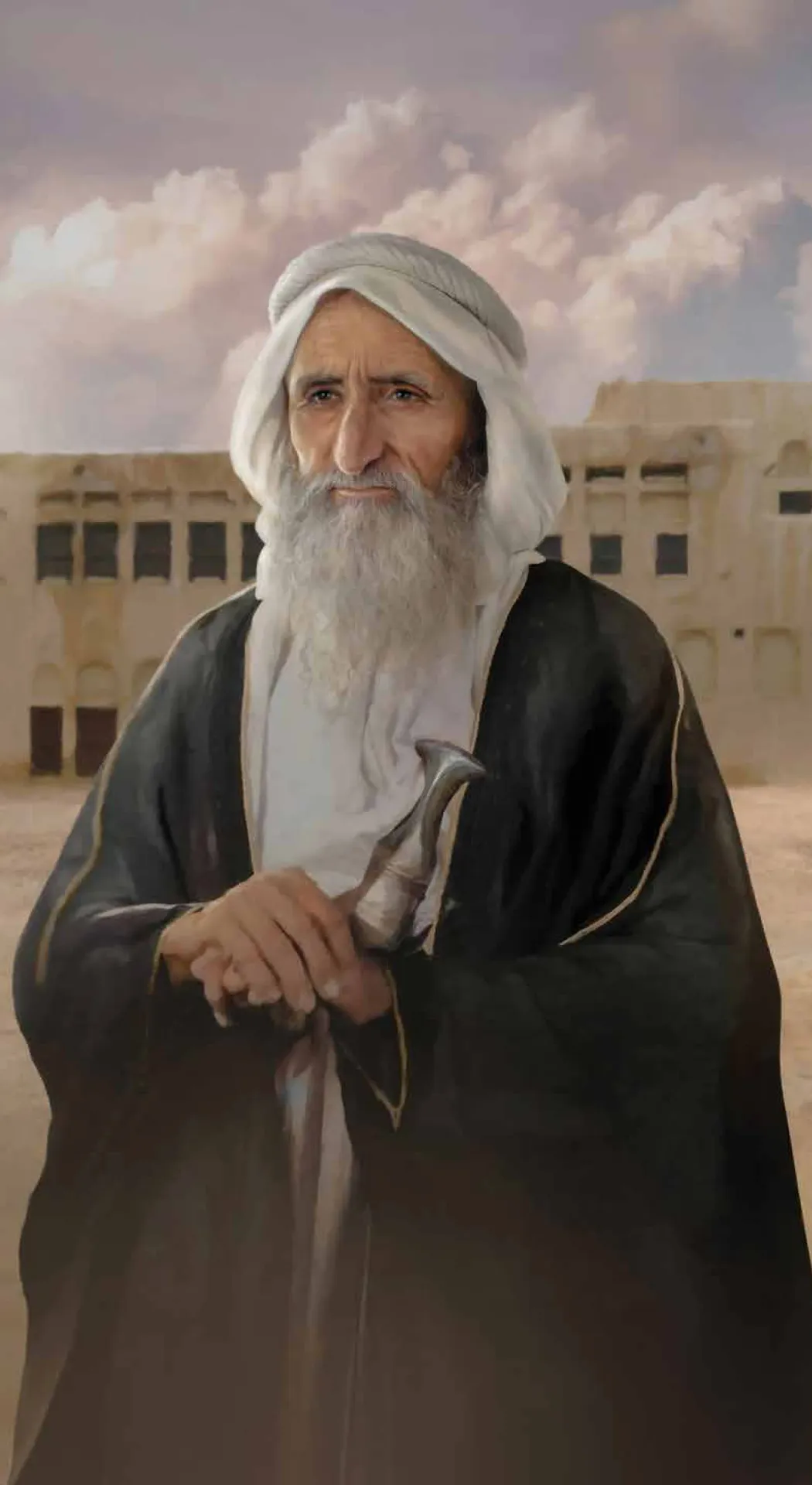
Sheikh Saeed bin Maktoum Al Maktoum
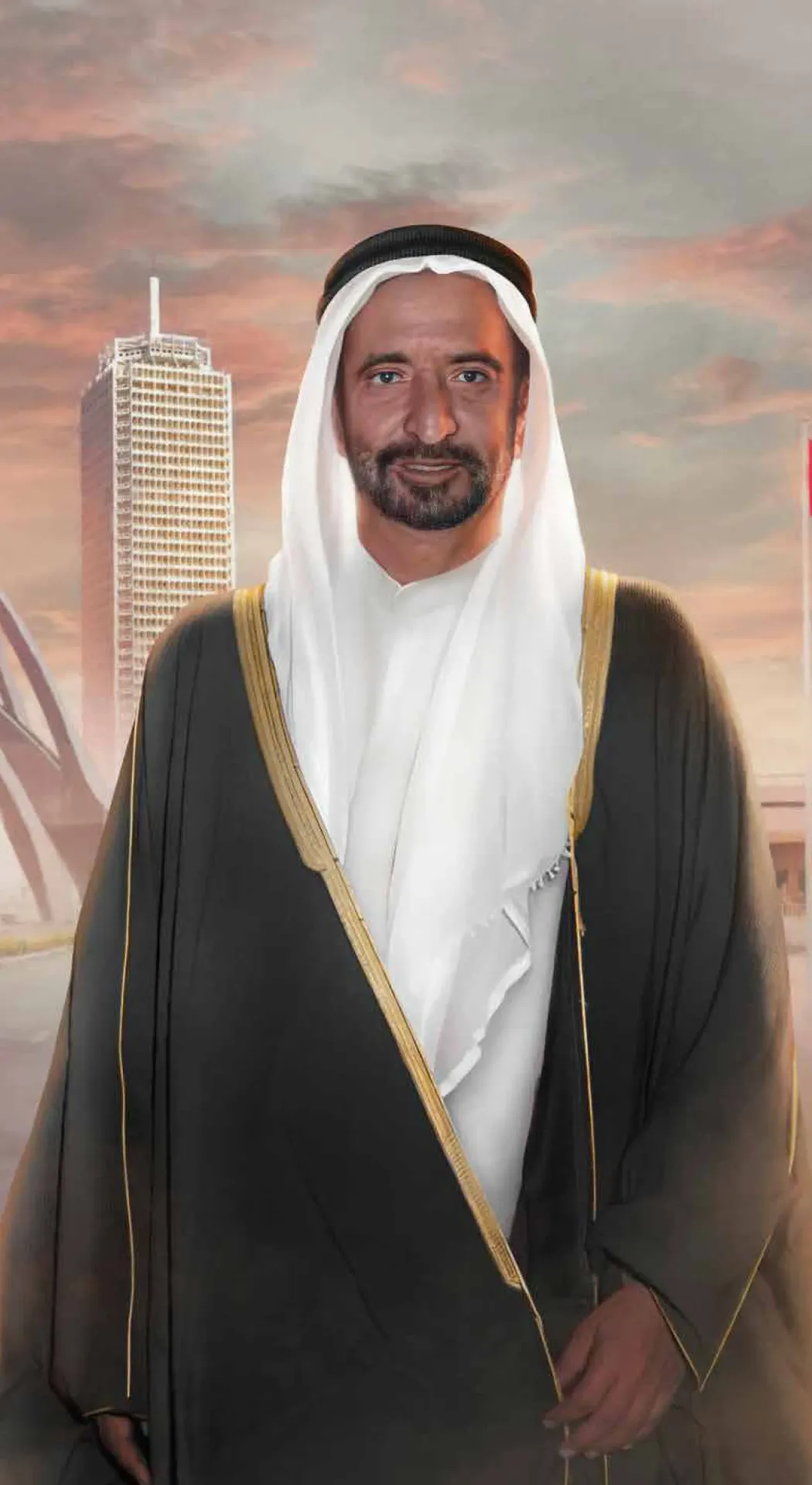
Sheikh Rashid bin Saeed Al Maktoum
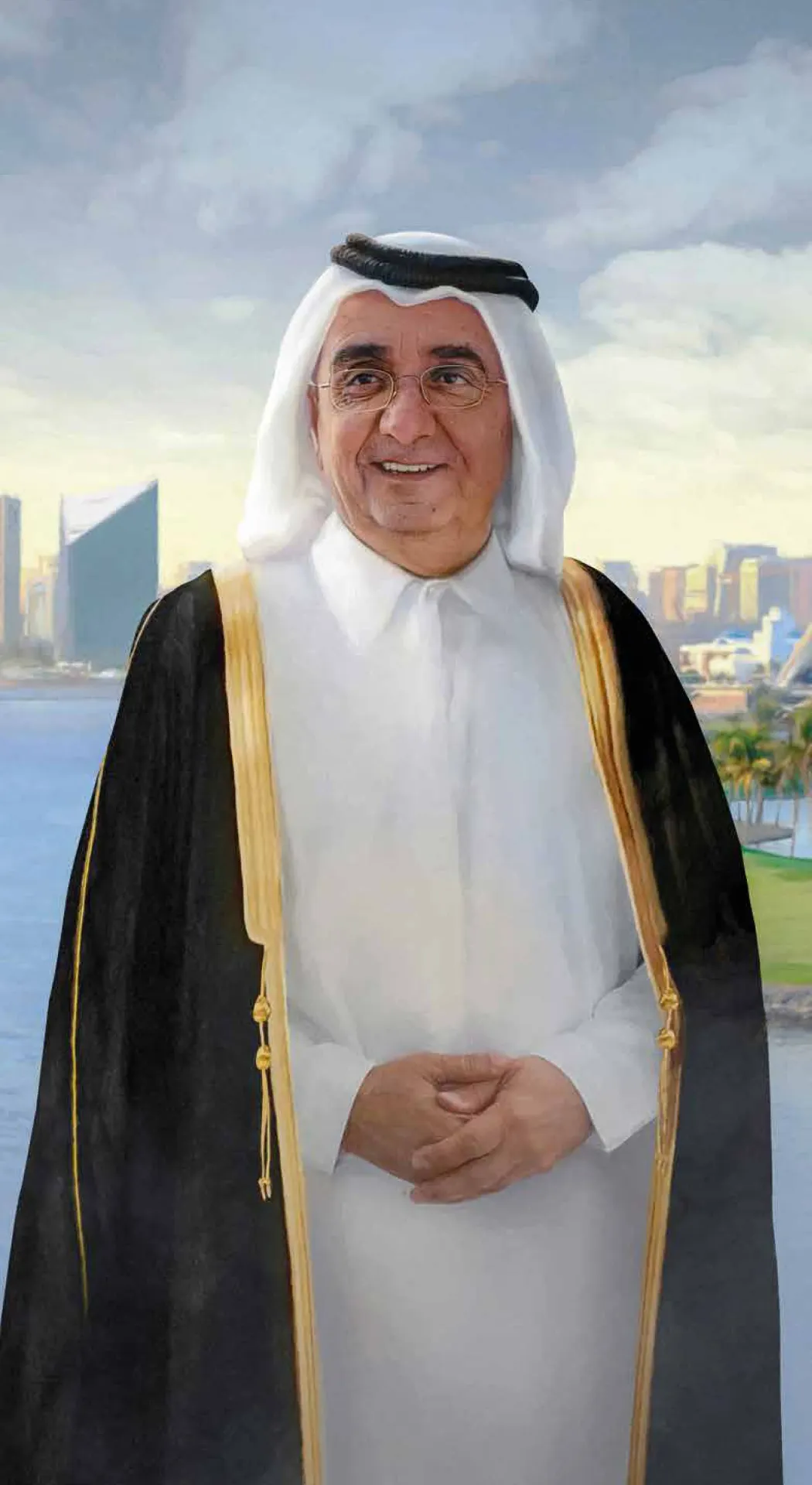
Sheikh Maktoum bin Rashid Al Maktoum
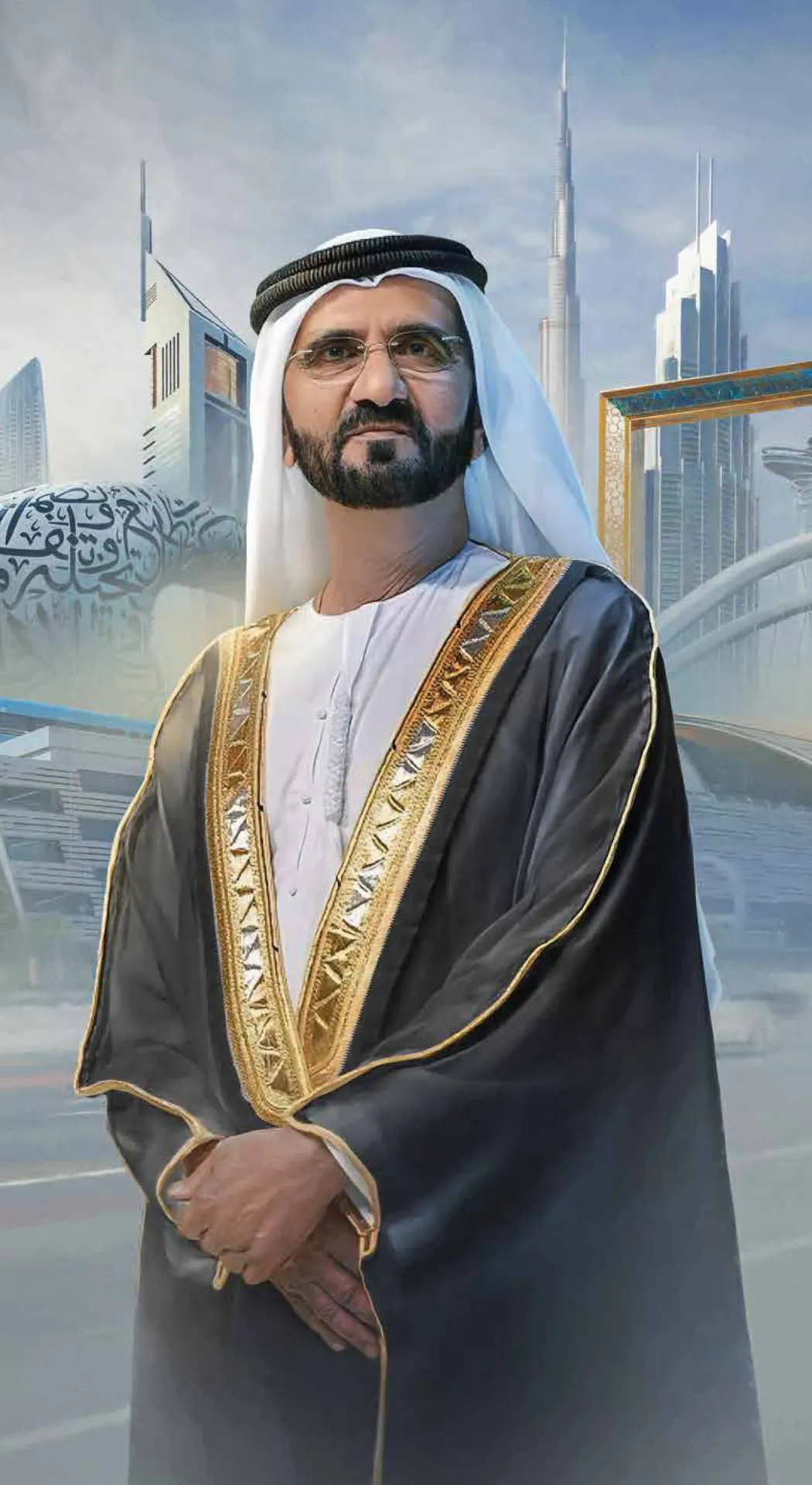
Sheikh Mohammed bin Rashid Al Maktoum
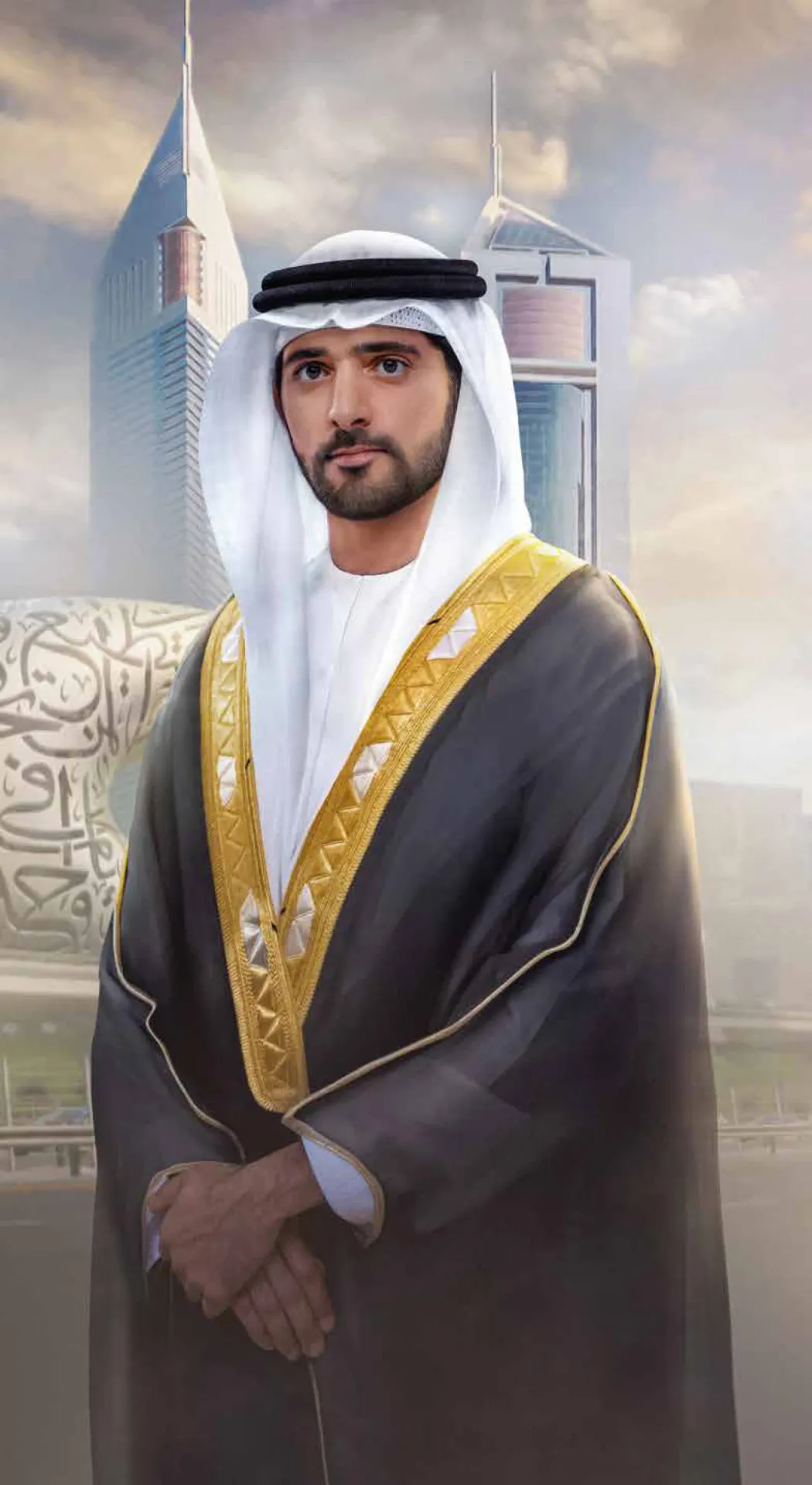
Sheikh Hamdan bin Mohammed bin Rashid Al Maktoum
The Al Maktoum family descends from the Al Bu Falasa section of the Bani Yas, a highly respected and influential tribal federation that played a dominant role across much of what is now the United Arab Emirates. The Al Maktoum family’s rule over Dubai began in 1833, at a time when the emirate was a modest coastal settlement. Under their leadership, Dubai began a gradual transformation that would, over time, position it as one of the most dynamic and globally connected cities in the world. The foundations of this transformation were laid by Sheikh Maktoum bin Butti, who assumed leadership in 1833. Through his wisdom and political foresight, he established a strong foundation of stability in the emirate despite the challenges and conditions of that period.
In 1852, leadership passed to his brother, Sheikh Saeed bin Butti, who continued the same approach to governance, maintaining stability and continuity in the emirate’s affairs. Following his passing in 1859, authority transferred to his nephew,
Sheikh Hasher bin Maktoum, who upheld the treaties established with local powers and with Britain, reflecting the political dynamics of the region at the time. After his passing in 1886, his brother Sheikh Rashid bin Maktoum assumed leadership, strengthening alliances with regional tribes and further reinforcing political stability.
In 1894, Sheikh Maktoum bin Hasher assumed leadership. During his rule, Dubai entered a period of notable economic openness, with its port becoming an important point of passage for maritime trade and commercial vessels, further solidifying its role as a growing regional hub.
In 1906, Sheikh Butti bin Suhail assumed leadership. His era witnessed increased commercial activity, alongside the flourishing of the pearl trade, which formed a central pillar of the local economy. This period also saw the establishment of a postal office in the emirate, marking early steps in institutional development.
Following his passing in 1912, Sheikh Saeed bin Maktoum assumed leadership, ruling for nearly forty-six years. During this time, the emirate faced a number of economic and political challenges; however, through his experience and measured leadership, he was able to successfully navigate these complexities. He further strengthened Dubai’s commercial position through the development of customs operations and the establishment of its first banking presence, alongside steady population growth.
In 1958, his son Sheikh Rashid bin Saeed Al Maktoum assumed leadership, marking a defining chapter in Dubai’s history. Widely regarded as one of the principal architects of modern Dubai, he played a defining role in the development of key institutions, including the police and municipality, and in organizing customs operations. His vision extended to major infrastructure projects such as the establishment of Dubai International Airport, the dredging of Dubai Creek, and the construction of Jebel Ali Port—initiatives that had a profound and lasting impact on Dubai’s economic growth and global connectivity.
Following his passing in 1990, Sheikh Maktoum bin Rashid Al Maktoum assumed leadership. In addition to his role as Ruler of Dubai, he served as Vice President and Prime Minister of the United Arab Emirates. He was known for his balanced leadership, his close connection to the community, and his strong commitment to public service. During his tenure, he appointed his brother, His Highness Sheikh Mohammed bin Rashid Al Maktoum, as Crown Prince.
In 2006, following his passing, His Highness Sheikh Mohammed bin Rashid Al Maktoum became the Ruler of Dubai. On 5 January of the same year, he was elected by the Federal Supreme Council as Vice President and Prime Minister of the United Arab Emirates. Under his leadership, Dubai entered a new phase of accelerated development, emerging as one of the world’s leading cities and a model for economic and developmental progress.
On 1 February 2008, His Highness issued a decree appointing His Highness
Sheikh Hamdan bin Mohammed bin Rashid Al Maktoum as Crown Prince of Dubai, and His Highness Sheikh Maktoum bin Mohammed bin Rashid Al Maktoum as Deputy Ruler. This reflects a clear and forward-looking vision centered on empowering future generations of leadership, ensuring the continuity of development, and strengthening Dubai’s position on the global stage.